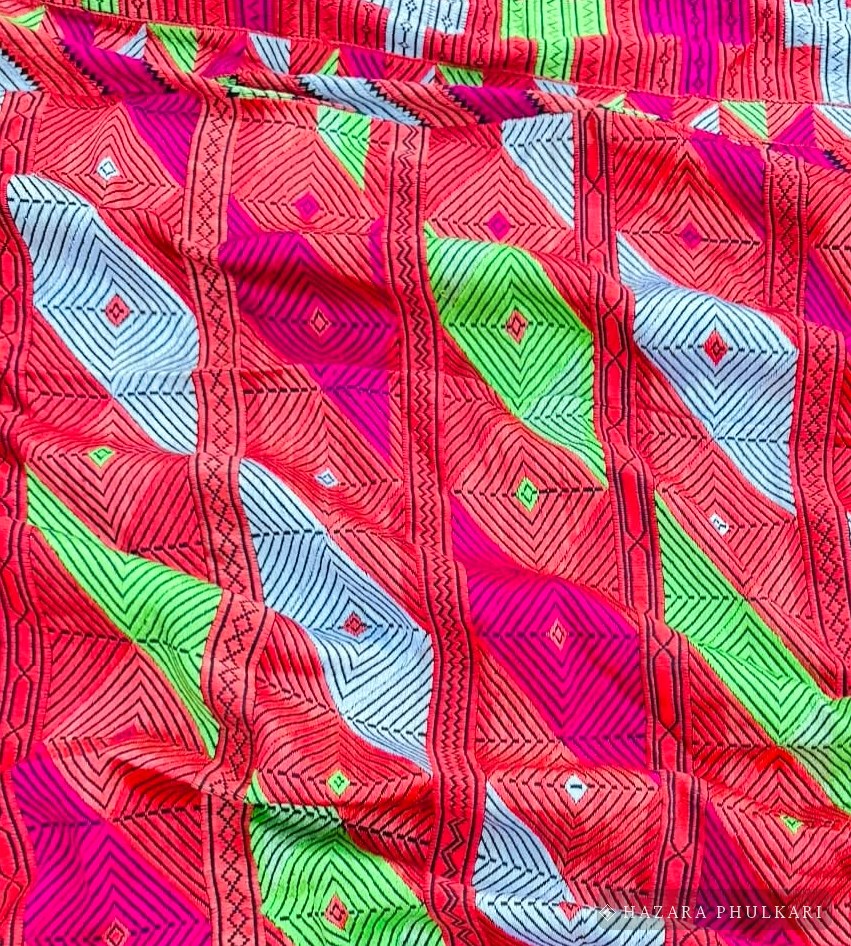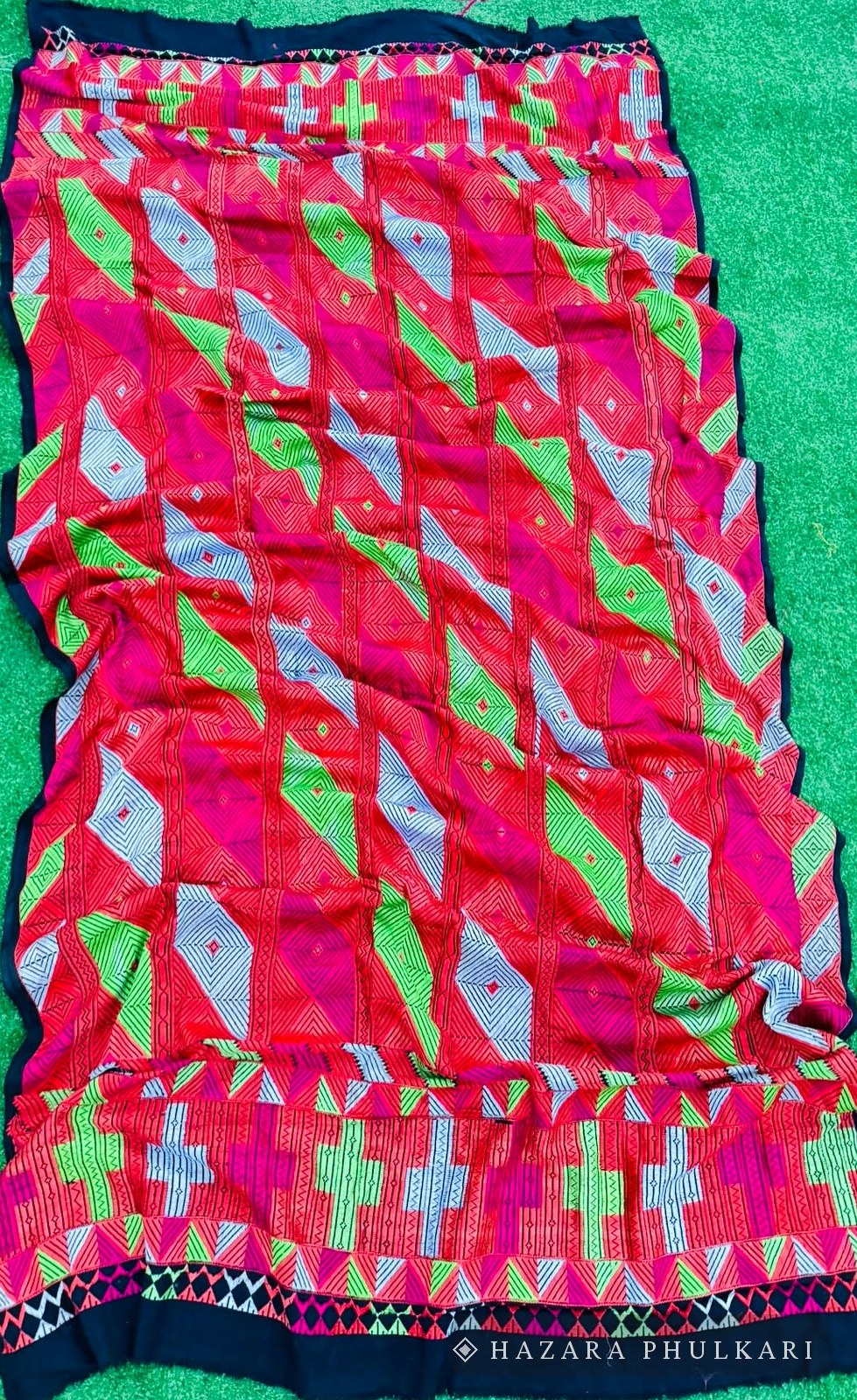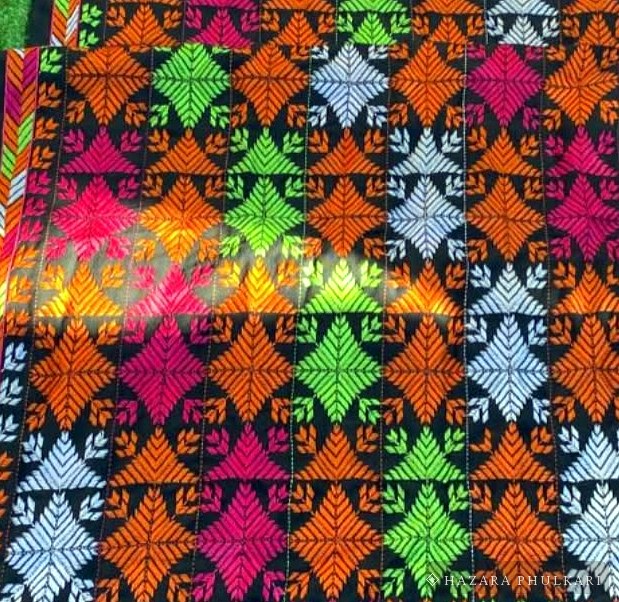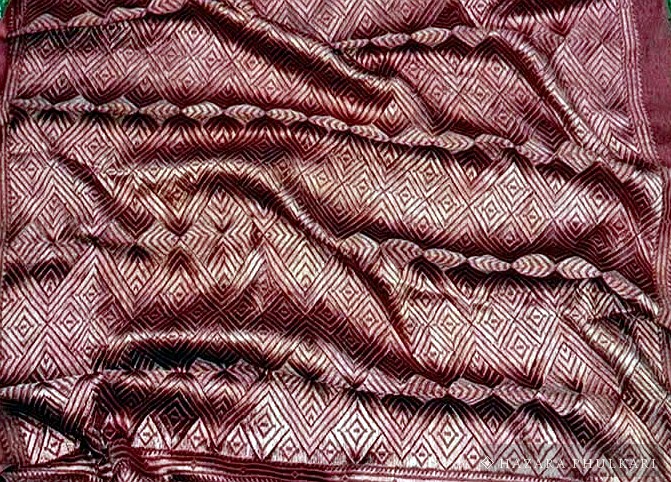
People are often surprised by how long a Phulkari shawl takes to make. The answer becomes obvious once you consider what the work actually involves.
Every Stitch Is Placed Individually
There is no shortcut in counted-thread embroidery. Each stitch is positioned in relation to the weave of the fabric, and a densely embroidered surface contains an enormous number of them.
The larger and denser the piece, the more time it requires, which is why a Bagh takes considerably longer than a lighter Phulkari.
Concentration Cannot Be Sustained Indefinitely
Accurate counted work requires attention. Embroiderers work in sessions rather than continuously, so a single piece progresses over days and weeks rather than hours.
Consistency Takes Skill
Maintaining even tension and consistent motif spacing across a whole shawl is the hardest part of the craft, and it is what separates experienced work from beginner work.
That skill is developed over years of practice, and it is embedded in every finished piece.
When you enquire about a piece, we are always happy to explain the work behind it.
Enquire Now